5 Sep 2026
UK Regulatory Shifts Shaping Deposit Options for Mobile Progressive Prize Features with Integrated Table Interactions

Regulatory adjustments across the United Kingdom continue to influence deposit mechanisms for mobile applications that combine progressive prize elements with live table game components, and these modifications have prompted operators to review payment pathways ahead of further updates expected in September 2026. Data from industry monitoring bodies shows that deposit options must now accommodate stricter verification protocols while supporting seamless transitions between slot-style progressive features and interactive table environments.
Payment Verification Requirements Under Evolving Frameworks
Observers note that verification steps for deposits have expanded to include real-time cross-checks with financial institutions, and this process applies directly to accounts used for mobile progressive prize accumulation integrated with table interactions. Research indicates that such measures reduce processing delays when players move funds between different game types within a single session, yet they also require platforms to maintain multiple approved payment rails to avoid interruptions.
Operators have adjusted their systems to support instant bank transfers alongside established digital wallet services, while ensuring each method meets updated security benchmarks. Figures reveal that transaction approval times have shortened in several cases because platforms now route deposits through centralized compliance engines that handle both progressive jackpot contributions and table game stakes simultaneously.
Impact on Mobile Progressive Prize Structures
Mobile progressive prize features rely on consistent deposit inflows to sustain growing jackpots, and regulatory shifts have clarified how operators must allocate portions of those deposits across integrated table interactions. Studies conducted by academic research groups demonstrate that clear allocation rules help maintain prize pool integrity when users switch between mobile slot progressives and live dealer tables without separate funding steps.
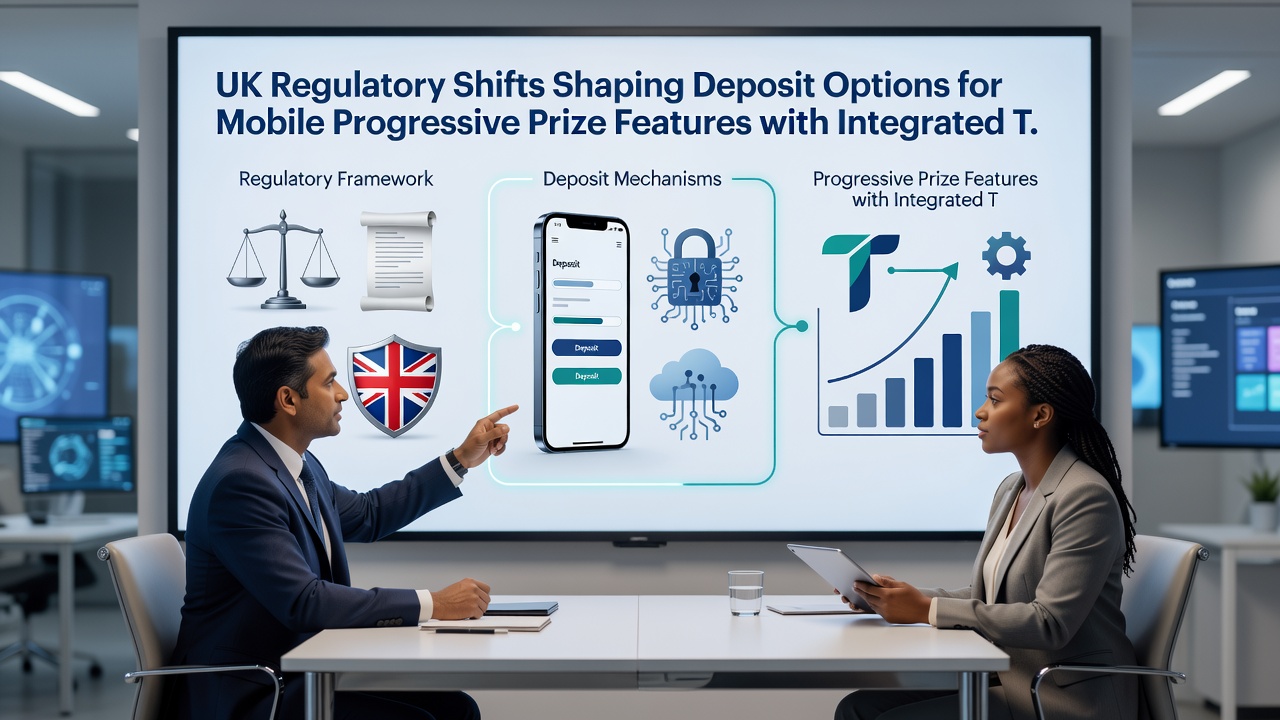
Those who have examined platform data note that deposit caps tied to player verification levels now apply uniformly across game categories, which prevents uneven funding that could distort progressive prize growth. Evidence suggests this uniformity has encouraged developers to embed deposit prompts directly within table interfaces so users can replenish balances mid-session without exiting the integrated environment.
Industry Responses and Technical Adaptations
Technical teams at major platforms have introduced modular payment APIs that distinguish between standard deposits and those earmarked for progressive features linked to table play, and this separation aligns with guidance issued by regulatory authorities outside the primary UK oversight structure. Reports from the Queensland Office of Liquor and Gaming Regulation highlight similar approaches adopted in other jurisdictions, where operators must log deposit origins to ensure compliance across multi-game ecosystems.
Case examples show that platforms incorporating these APIs experienced fewer compliance queries during routine audits, because transaction trails clearly separate contributions to progressive prizes from table interaction stakes. Data shows adoption rates for such systems increased steadily through 2025 as operators prepared for the September 2026 implementation window.
Player Funding Patterns and Platform Adjustments
Analyses of player behavior indicate that users of integrated mobile features often prefer deposit methods offering instant confirmation, and regulatory updates have standardized which methods qualify for immediate use in progressive and table environments. Researchers discovered that offering a curated list of verified options reduced failed transactions while maintaining the required separation between prize pool funding and table game balances.
Platforms now display real-time deposit status indicators that span both game types, allowing players to monitor how funds contribute to progressive meters during live table sessions. This integration reflects broader industry efforts to align payment flows with evolving rules without fragmenting the user experience.
Conclusion
UK regulatory shifts continue to redefine deposit options for mobile progressive prize features that incorporate table interactions, with key provisions scheduled to take effect in September 2026. Platforms have responded by refining payment verification, adopting unified allocation rules, and embedding compliance tools directly into game interfaces. External sources such as the Nevada Gaming Control Board reports provide comparative context on similar adaptations elsewhere. These developments demonstrate how operators maintain functional deposit systems while meeting updated requirements across integrated mobile gaming formats.